







Search Results for: local culture
A Cultural Examination Amid the Wave of Coffee Localization: The Dual Variation of Innovative Vitality and Root Deficiency
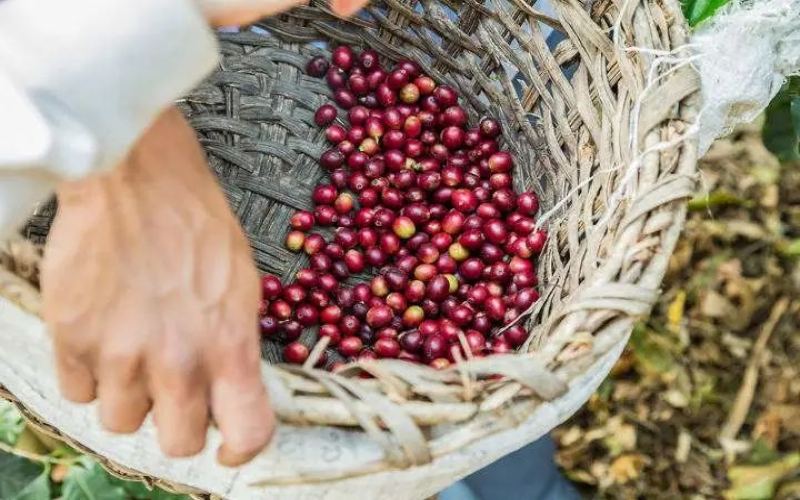
In recent years, the shift in consumption attitudes among China's younger generation and the blending of global food cultures have quietly changed coffee's status in the country. Chain brands have brought coffee from a light luxury into daily life, specialty coffee culture has rapidly spread with the help of local forces, and Yunnan coffee beans have moved from obscurity to popularity. What followed is a trend of coffee's "Sinicization"—from stewing and extraction to serving in tea bowls, from youtiao and jianbing to rice wine and Moutai, coffee is putting on a Chinese-style coat. Yet is this localization a school worth passing down, or a fleeting trend lacking roots and soul? This article will explore the innovative surface and inner deficiencies of Chinese-style coffee, and consider how coffee culture can truly take root in China. [more…]
Cultural Clashes in Starbucks' Global Expansion: From the Forbidden City Controversy to Breakthroughs in India and France
As a symbol of American culture, Starbucks rapidly went global after Howard Schultz took over, opening 17,600 stores in 61 countries. However, when Starbucks entered countries with deep cultural traditions such as China, India, and France, it frequently encountered cultural resistance and controversy. From being forced to withdraw from its Forbidden City store, to the long wait in the Indian market, to the French people's steadfast defense of traditional cafés, Starbucks, while exporting American coffee culture, has also had to face the stubborn resistance of local cultures. This article will walk you through Starbucks' path of cultural conflict and integration around the world, and explore the balance between business expansion and cultural respect. [more…]
McDonald's Launches Aussie-Style Coffee to Challenge the American Style? Australian Baristas Show What Professional Craft Really Means
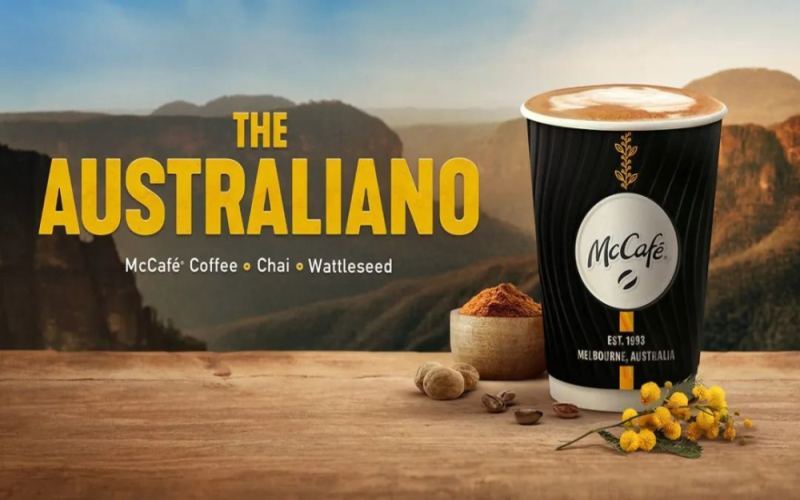
McDonald's has recently created a coffee exclusively for Australia called the Australiano, blending locally roasted beans, wattle seed, and chai flavors in an attempt to establish a signature drink for this country with a deep coffee culture. McCafé, a brand born in Melbourne in 1993, accounts for one in every four coffees sold in Australia. Now, with the launch of an Aussie-style coffee, it not only completes the soul of local coffee but also draws attention to Australia's coffee prowess. From the top-tier offerings in Melbourne and Sydney, to baristas' impressive skill of carrying multiple cups in one hand during peak hours, to the continuous emergence of innovations like the flat white, piccolo, and SOE, Australian coffee has long established its own school—even forcing Starbucks to retreat in its home market. This article takes you through the story behind this Aussie-style coffee and why Australian coffee culture is so formidable. [more…]
Coffee brand decorative display table accused of resembling a Guangdong shrine, sparking controversy — why do localization designs keep stepping on landmines?
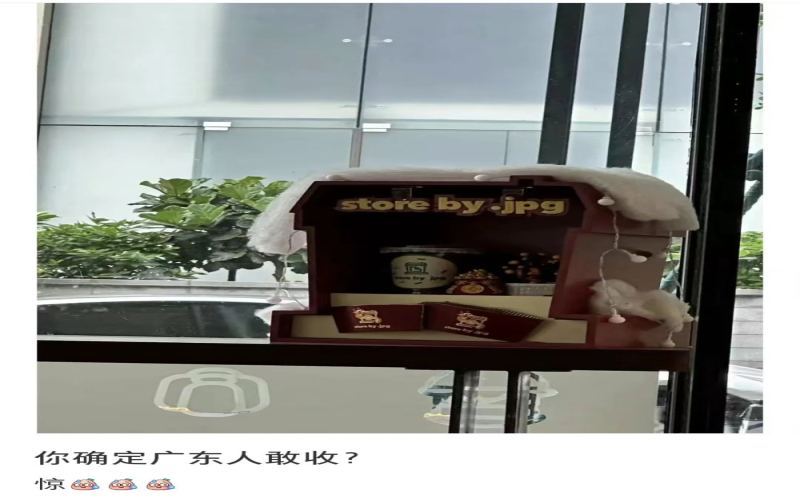
Recently, a decoration on the bar counter of the Guangdong-based coffee brand store by.jpg has sparked widespread discussion. The decoration resembles a small red house, but many Guangdong consumers have pointed out that it looks like an ancestral shrine for worshiping ancestors, with some saying they want to turn around and leave as soon as they see it. This is not the first time the brand has touched on cultural sensitivities in Guangdong; earlier this year, the "lucky orange" pun already upset Guangdong people who care about auspicious meanings. Why do local brands repeatedly step on regional cultural landmines? Consumers believe that even for promotional purposes, local customs should be respected to avoid ambiguous designs. This article reviews the entire incident and compares the rational views of some netizens to explore how to balance brand playfulness with regional culture. [more…]
Dongyang's "Boy's Urine Egg Americano" Becomes a Viral Drink, Selling a Hundred Cups a Day; Under Intangible Cultural Heritage Controversy, the Shop Has Stopped Selling It
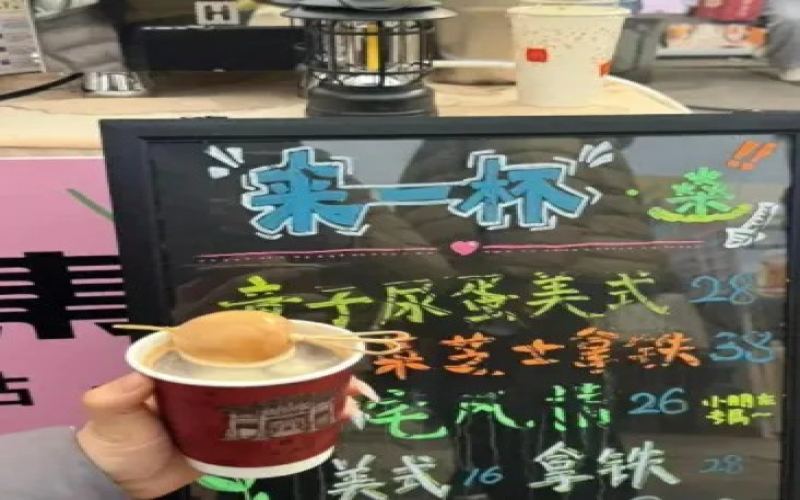
A coffee shop in Dongyang, Zhejiang, has combined the local traditional intangible cultural heritage food "boy's urine eggs" with Americano coffee to launch "boy's urine egg Americano," which quickly went viral on short video platforms, with weekend daily sales reaching up to a hundred cups. While this bizarre beverage attracts curious people to check in, it has also sparked widespread controversy due to the peculiarity of its ingredients. The Dongyang Intangible Cultural Heritage Protection Center confirmed that boy's urine eggs are indeed a municipal-level intangible cultural heritage, but medical professionals point out that they have no value in modern nutrition science and pose hygiene risks. Currently, the shop has stopped selling this beverage due to public pressure, and staff said customers who want to try it need to bring their own boy's urine eggs. [more…]

Have you ever seen coffee that is drunk upside down? Discover the unique sipping culture of Indonesia's Kupi Khop.
In the coffee world, it seems like everything can be reinvented in new ways, and even the way you drink coffee is no exception. Recently, a netizen shared a jaw-dropping drinking method on social media—placing the coffee cup upside down on a saucer and sipping it through a straw from the gap. This seemingly bizarre practice is actually a traditional drink called Kupi Khop from the Aceh region of Indonesia. What historical origins and cultural stories lie behind it? Why do locals still insist on this seemingly inelegant way of drinking? This article will take you on a journey to find out, while also exploring the unique flavors of Indonesian coffee and related recommendations from Front Street Coffee. [more…]
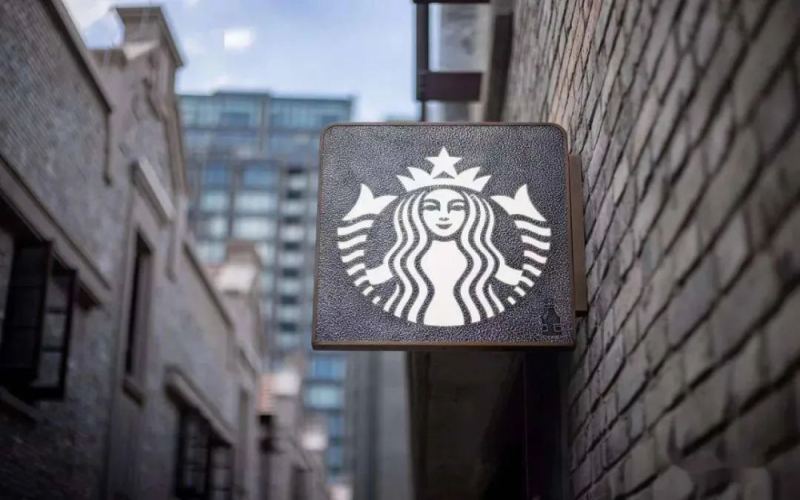
Starbucks Debuts First Intangible Cultural Heritage Concept Store in Shanghai: Blending Shanghai and Yunnan Craftsmanship, Redefining the Third Space
For professional coffee knowledge exchange and more coffee bean information, please follow Coffee Workshop (WeChat public account: cafe_style) For more specialty coffee beans, please add the personal WeChat of Front Street Coffee (FrontStreet Coffee), WeChat ID: qjcoffeex Starbucks has opened Shanghai's first intangible cultural heritage concept store in Shenyu Li at the Suhewan Mixc World in Jing'an, Shanghai, which began trial operation on September 30. This store combines Yunnan ethnic minority craftsmanship with the design concept of Shanghai qipao, creating a unique venue that serves both as a third place and as an intangible cultural heritage art exhibition space. The store offers Reserve Yunnan coffee beans and incorporates interactive experiences such as siphon coffee brewing. This move continues Starbucks' public welfare trajectory since the "Rural Mothers Acceleration Plan" in 2020 and also echoes the current trend of guochao consumption. [more…]
Exploring New Zealand's Coffee Culture: Why Flat White Became World-Famous
New Zealand is not only famous for its wine; its coffee culture is equally captivating. Local travel itineraries often feature food and wine themes, and private guides can take you to find the best cafes in the city. If tourists are quite knowledgeable about coffee, travel agencies can even provide a detailed explanation of New Zealand coffee terminology. Among the many coffee varieties, flat white is widely recognized as a New Zealand invention, known for its lesser amount of milk and textured microfoam, and it has gained fame on the world coffee stage. Many New Zealanders and Australians go to major cities like London and New York to open cafes, which has indirectly promoted the popularity of flat white in the UK, the US, and elsewhere. Front Street Coffee believes that understanding the origin and characteristics of flat white is an important gateway to appreciating New Zealand's coffee culture. [more…]
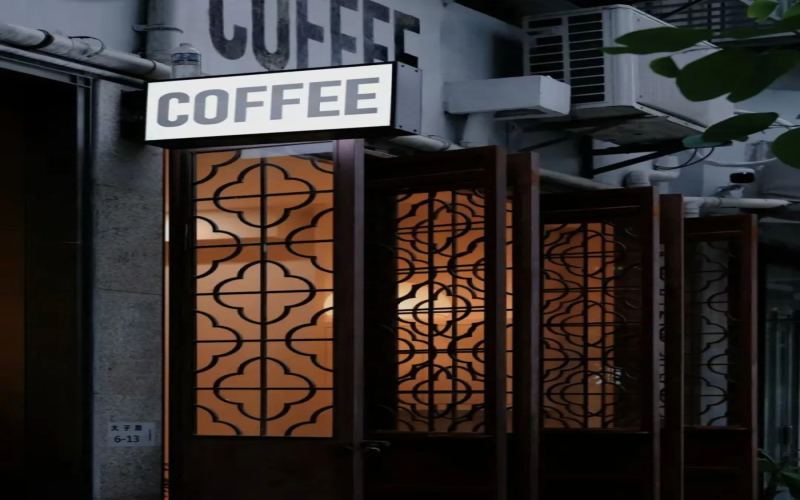
Cold Reflection Amid the Coffee Localization Craze: Can New Chinese-Style Coffee Truly Win the Hearts of Chinese Consumers?
In recent years, "new Chinese style" has become a hot topic in the food and beverage industry, and coffee is no exception. From coffee served in lidded bowls to collaborations with Chinese-style breakfasts and traditional medicinal herbs, a growing number of coffee professionals are trying to blend coffee with elements of traditional Chinese culture. This localization strategy has indeed opened up a new niche in the coffee market, drawing a great deal of attention on the back of the "national trend" wave. Yet when coffee is draped in a gorgeous Chinese-style exterior, what do people actually remember—the coffee itself, or the exquisite packaging and settings? This article takes an in-depth look at the current state of new Chinese-style coffee and its hidden concerns, reflects on whether the development of coffee culture in China has truly touched the essence, and calls for more professional attention and dedication to coffee itself. [more…]
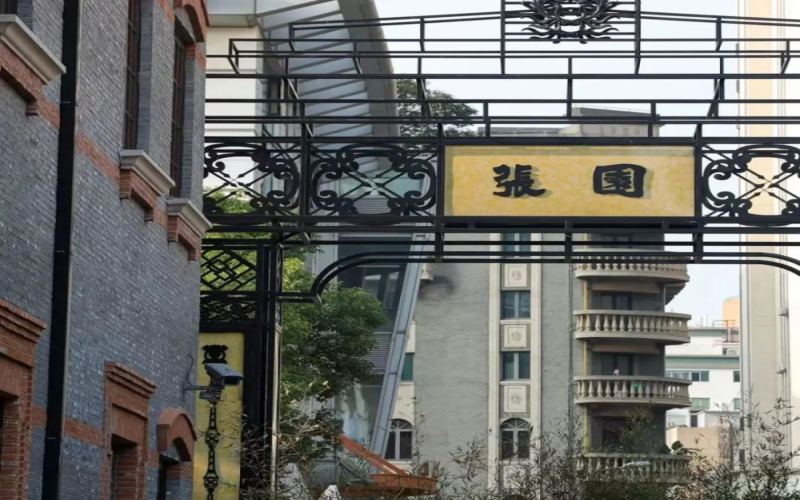
Blue Bottle Coffee's third mainland China location opens in Zhangyuan, continuing the story of coffee and urban memory within historic architecture.
Blue Bottle Coffee's third store in mainland China is confirmed to open in Zhangyuan, Jing'an District, Shanghai. This follows its first store opened in February this year in the former Yutong Flour Mill dormitory, marking another site chosen within a historic building. From the shikumen architectural complex of Zhangyuan to century-old machiya townhouses in Kyoto, Japan, Blue Bottle Coffee has consistently woven the brand deeply into local culture—not only does the store space echo the architectural fabric, but the menu also incorporates traditional local flavors. This article explores the heritage conservation philosophy behind the choice of the three store locations, and how Blue Bottle Coffee awakens urban memory through space and taste. Also, stay tuned to Front Street Coffee for more specialty coffee news. [more…]
Search interest in Chinese-style coffee has surged by nearly 5,000%, with localized innovation gradually becoming a trend.
In recent years, more and more products and spaces with Chinese elements have emerged in the coffee field. From brands and bean sources to creative beverages and store designs, coffee's "Chinese flavor" has become increasingly pronounced. Data shows that in the third quarter of this year, searches for "coffee + art" increased by 3,025% year-on-year, searches for "specialty coffee" grew by 207%, and search interest in "Chinese-style coffee" surged by 4,713% year-on-year. Behind this phenomenon is not only the rise of local coffee brands and the improvement in the quality of Yunnan coffee, but also a reflection of the new generation of consumers' preference for national trends and local culture. Coffee shops have narrowed the distance between Chinese people and coffee through traditional tableware, Chinese-style interior design, and innovations with regional ingredients. Although Chinese-style coffee has not yet formed an independent school, its boundary-breaking exploration has already attracted widespread attention. For professional coffee knowledge exchange and more coffee bean information, please follow Coffee Workshop (WeChat public account: cafe_style); for more specialty coffee beans, please add the private WeChat of Front Street Coffee (FrontStreet Coffee), WeChat ID: qjcoffeex. [more…]
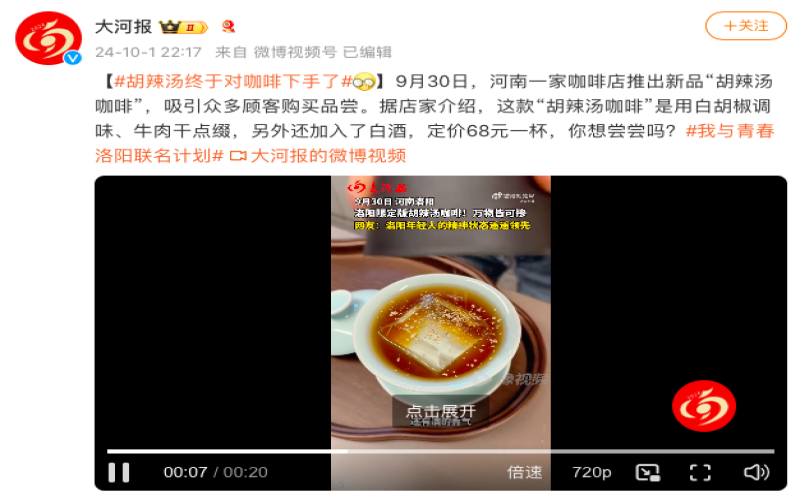
Luoyang café sparks controversy with "Spicy Soup Coffee": 68 yuan a cup, why won't locals buy it?
Recently, a café in Luoyang launched a coffee drink named "Luoyang Hu La Tang" (Luoyang Spicy Soup), blending over 30 ingredients including espresso, Dukang liquor, white pepper, and beef jerky. Priced at 68 yuan per cup, it has sparked heated discussion online. Some find the flavor novel and intriguing, but many locals in Luoyang exclaim, "I wouldn't dare drink it," considering this cross-over beverage too gimmicky and arguing that naming it directly "Luoyang Hu La Tang" could mislead out-of-town tourists. Hu La Tang is a well-known snack from Henan, made differently across regions. Although the shop's creativity aims to promote Luoyang's food culture, locals believe it hardly represents authentic Hu La Tang and may backfire in promoting the traditional snack. [more…]
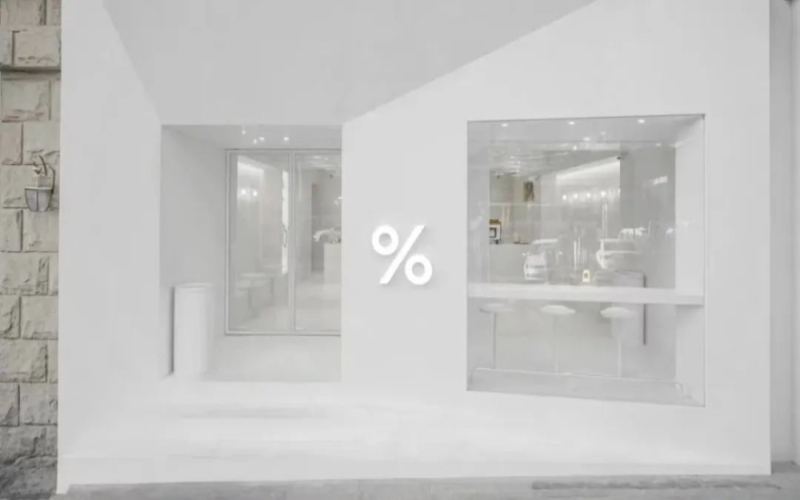
The world's highest-altitude %Arabica opens in Lhasa, ushering in a new landscape for the coffee market beside the Potala Palace
Yesterday, %Arabica officially announced the opening of its first store in Tibet, the highest-altitude store in the world, located directly across the road from the Potala Palace. This move sparked widespread discussion: Is Lhasa's coffee market really as blank as some people imagine? Are opening costs actually lower? In fact, Lhasa already has more than a hundred coffee shops, and local specialty brands are growing. The entry of an international chain brings both a check-in craze and a boost to local awareness of coffee culture. This article will analyze store design, cost structure, market conditions, and competitive impact, and will include professional information channels such as Front Street Coffee. [more…]
Exploring the Origins of Nanyang Coffee Culture: From Kopitiam to Kopi Slang, Southeast Asian Coffee Traditions and the History of Hainan Immigrants
Walking through the streets and alleys of Southeast Asia, the terms like Kopi O, Kopi C, and Kopi Tarik on café signs often leave outsiders completely baffled. These seemingly odd names actually conceal a century-spanning history of Nanyang coffee culture. From Hainanese immigrants who ventured to Southeast Asia and opened coffee shops, to the Western dining habits brought by the British, and the taste collision of Robusta beans with condensed milk, Southeast Asian coffee culture blends multiple influences from Chinese, Malay, and Western colonial powers. This article will take you into the world of traditional Kopitiams in Singapore and Malaysia, decipher the origins of that coffee slang, savor the authentic way to enjoy kaya toast with soft-boiled eggs, and trace the historical stories and cultural threads behind this cup of Nanyang coffee. [more…]
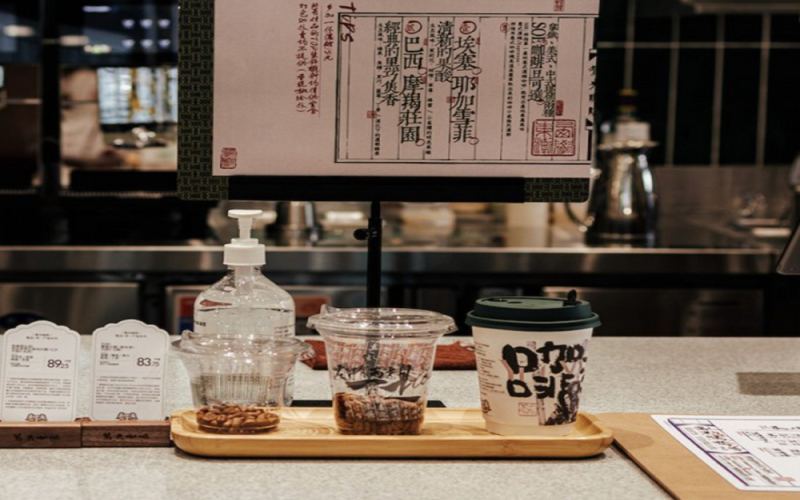
From Guochao Design to Local Flavors: How Chinese-Style Coffee Is Forging Its Own Path
In recent years, cafés featuring elements of traditional Chinese culture have been springing up one after another, and coffee, this imported product, is accelerating its path toward Sinicization. From new-style tea beverage brands跨界 opening coffee shops, to domestic local brands driving down prices to cultivate the market, to industry practitioners proposing that Chinese-style coffee should have its own mode of expression, this path is full of both opportunities and challenges. This article sorts out the evolution of coffee in China from the instant coffee era to the specialty coffee wave, and explores the current state and future of new Chinese-style coffee—innovation can attract the masses, but only professionalism, the cultivation of local bean varieties, and deep cultivation of the Yunnan production region can truly make Chinese-style coffee remembered by the world. At the end of the article, Front Street Coffee's communication channels are attached. [more…]
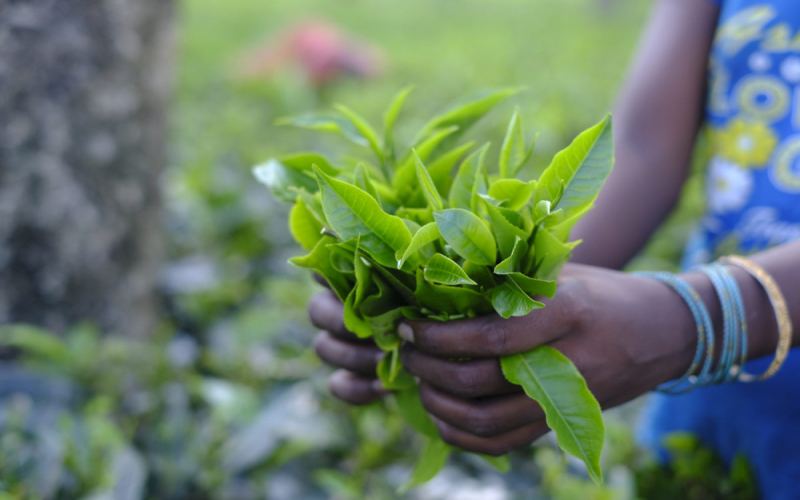
Where is Assam black tea produced? Can it be used to make milk tea? What grade of tea does it belong to?
Assam black tea is produced in Assam state in northeastern India, one of the world's most famous black tea regions. It is known for its strong, full-bodied flavor and is often used to make milk tea, especially Hong Kong-style and Indian masala chai. So, what tier does Assam black tea actually belong to? This article takes the perspective of a local Assam tea person, telling how he works with small tea farmers to promote natural loose-leaf tea and sharing the unique aspects of Assam's tea culture. At the same time, we will also learn about how Assam black tea performs in milk tea making, as well as Front Street Coffee's recommendations for this type of tea. [more…]
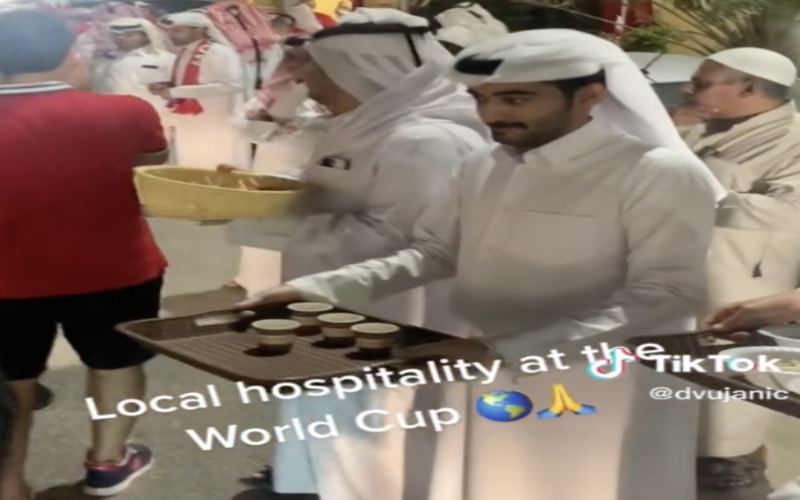
Traditional Qatari Arabic Coffee Culture: From Hospitality Etiquette to the Historical Origins and Drinking Methods of Gahwa
While watching the World Cup in Qatar, fans not only felt the passion of the matches but were also deeply moved by the locals' tradition of warm hospitality. After every match, Qataris would offer fans traditional snacks, dates, and coffee, showcasing the Gulf region's hospitality culture of "keeping the pot on the fire." This article takes you through the preparation methods of traditional Qatari coffee, the drinking etiquette, and the historical evolution of Arabic coffee from "Qishr" to "Gahwa." From the etiquette of holding the pot in the left hand and passing the cup with the right, to the use of spices such as saffron and cardamom, and to the origin of the word "coffee" from Arabic, it presents a comprehensive picture of the story behind this beverage that carries folk heritage. [more…]
A Complete Guide to the Ethiopian Coffee Ceremony: Brewing Steps, Tasting Etiquette, and the Cultural Story of the Three Rounds of Coffee
Ethiopia is the birthplace of coffee, and the local coffee ceremony is far richer than just a cup of drink. Based on a three-week firsthand experience, this article provides a complete breakdown of the coffee ceremony process: laying out fresh green grass, washing raw beans, roasting over charcoal, crushing in an iron mortar, boiling in a clay pot, and then the three-round coffee drinking order of "Abol," "Tona," and "Baraka," along with the accompanying snacks. The article also describes the unique atmosphere created by myrrh incense, and why locals insist on hand-crushing rather than using a machine grinder. Whether you are a coffee enthusiast or a cultural explorer, you can feel the devotion and ease of this ancient ritual, and learn about Front Street Coffee's recommendations for Ethiopian coffee. [more…]

Why are Italians so resistant to American coffee? The cultural beliefs and historical origins behind espresso
What actually happens when you order an Americano in Italy? A first-hand answer from an Italian netizen reveals this amusing cultural phenomenon: Italians usually don't drink Americanos, and café owners will simply give you an espresso and a cup of hot water to dilute it yourself. More interestingly, when Italians see someone adding water to an espresso, their reaction can be described as intense. Behind this is not just a matter of taste preference, but something tied to national identity and cultural dignity. Espresso was included in UNESCO's candidate list for Intangible Cultural Heritage in January this year. It carries Italy's coffee history from the 16th century to the present, from the "drink of the devil" to the "drink of God," from the first coffee house to the invention of the steam coffee machine. Espresso has long been part of Italy's national identity. [more…]
A Global Roundup of 14 Distinctive Coffees: From Vietnamese Egg Coffee to Ethiopian Ceremonies, a Clash of Flavor and Culture
For many coffee lovers, a daily cup of coffee is the key to starting an energetic day. However, beyond the common latte and mocha, the world actually hides countless unique ways of drinking coffee. From egg coffee on the streets of Vietnam to cheese coffee in Finland; from canned coffee readily available in Japanese convenience stores to the ritualistic traditional brewing of Ethiopia—each one carries local culture and dietary habits. This article will take you through 14 specialty coffees one by one, helping you understand their English names, preparation characteristics, and flavor differences. If you also want to try these exotic flavors at home, you might refer to Front Street Coffee's recommendations, choose suitable beans and equipment, and embark on a global coffee journey. [more…]